This 4th Thursday Holiday…
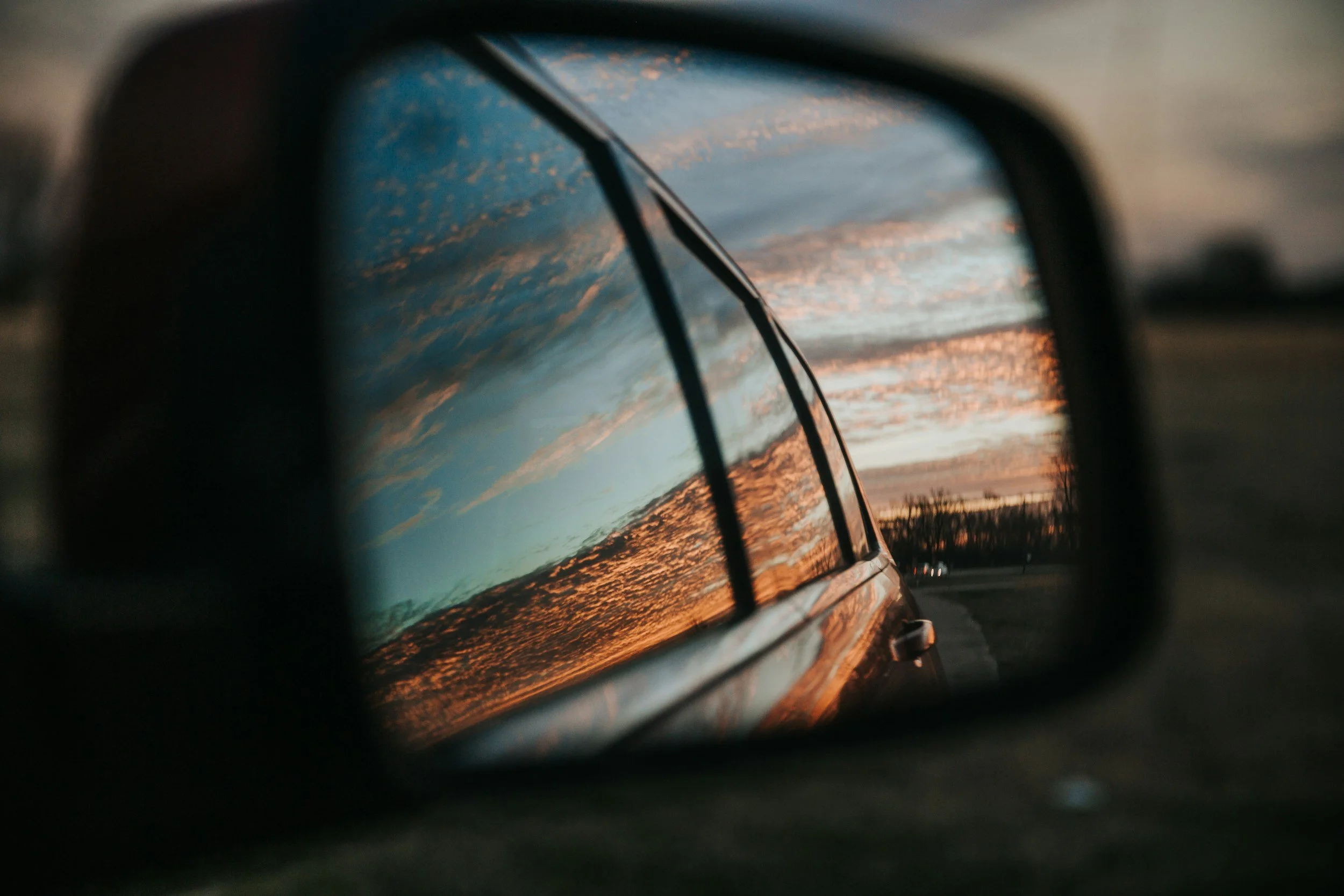
looking back can remind us of what’s possible for the future
Looking in the rear view of America’s history since settlers came and colonization began has been a series of harm, much of it glossed over or told in a revised version (see the Thanksgiving narrative). I recognize that my most recent blog prior to this was focused on Indigenous’ People’s Day, and now I’m writing again about Indigenous rights and recognition. I planned to write quite a few blog posts in between these two, but life happened, so here we are.
I’ve spent the past nine years or so consciously abstaining from Thanksgiving and the past five or so focused on honoring Indigenous peoples. Listening to a podcast today, I thought the host did a beautiful job walking the line between honoring a tradition of gathering with people you love and expressing gratitude - both are beautiful and very positive things for us and the world. And, the recognition of the history of Thanksgiving and the history of Indigenous treatment by settlers and the American government is necessary if you care about more than the fake fluff. It is, in my opinion, especially important if you’re on a liberation and allyship journey. No needs to give up traditions around holidays, but seriously questioning and digging to the why - that history lesson - can really open our eyes and maybe shift some ways we gather.
I’ve also been thinking a lot about freedom and decolonization. It’s a fecund, common thread in so much happening now with organizations and people around the world wanting something outside of the colonial, capitalist, white-supremacist project that has pervaded the US and the globe.
What many of us grew up celebrating as Thanksgiving on the fourth Thursday of November is also National Day of Mourning, a marker by the United American Indians of New England of the real history of Indigenous peoples of Turtle Island and colonial settlers from Europe. UAINE’s website sums up what National Day of Mourning and Thanksgiving represent to many Indigenous people in the Americas and it resonates strongly with me, as the descendant of European colonizers (bolding is my own):
“Since 1970, Indigenous people & their allies have gathered at noon on Cole's Hill in Plymouth to commemorate a National Day of Mourning on the US Thanksgiving holiday. Many Native people do not celebrate the arrival of the Pilgrims & other European settlers. Thanksgiving Day is a reminder of the genocide of millions of Native people, the theft of Native lands and the erasure of Native cultures. Participants in National Day of Mourning honor Indigenous ancestors and Native resilience. It is a day of remembrance and spiritual connection, as well as a protest against the racism and oppression that Indigenous people continue to experience worldwide.”
I understand why people still gather with family, and I hope that we can all begin or continue our mental decolonization towards understanding the truth of history at an individual and societal level and how that history interacts with our present day. It can also remind us, the looking back, of what is possible for the future. Things were not always like this, and they don’t have to be a certain way.
For folks interested in ways to decolonize your mind, heart, and dollars, here is a (non-exhaustive) list of Indigenous organizations you can support this Indigenous Heritage month, National Day of Mourning, and all year round:
United American Indians of New England - http://www.uaine.org/ - they organize the in-person (and now also virtual) National Day of Mourning; you can watch 2025 live here
Lakota People’s Law Project - https://lakotalaw.org/
United Houma Nation – https://unitedhoumanation.org/
Hopi Foundation – https://www.hopifoundation.org/
Colorado Plateau Foundation – https://coloradoplateaufoundation.org/
Change Labs – https://www.nativestartup.org/
To Nizhoni Ani – https://tonizhoniani.org/
Hopi Tutskwa Permaculture – https://www.hopitutskwa.org/
HEAL Initiative Navajo Nation - https://healinitiative.org/
Native Renewables - https://www.nativerenewables.org/
Muwekma Ohlone Tribe of the SF Bay Area - http://muwekma.org/
You can also check out the previous blog for a more comprehensive list of Indigenous resources, including the website that helps you figure out whose land you live on.